About
Diverse lenses, evolving stories.
Wtheq Media is a Saudi visual and audio production studio. With simple equipment and a close eye, we document today's moments to tell tomorrow's history.
Wtheq (وثّق) means to document. We are a small studio on the Eastern Coast of Saudi Arabia that makes short films, documentaries and commercials — usually with one camera, a pair of microphones and a lot of patience.
We believe the ordinary is worth recording: the salt flats before sunrise, a port at night, a family farm in the first week of harvest. Today they are daily life. In a generation they are history.
2021
The first camera
The studio began as a personal project: one camera, one lens and a notebook of places worth filming along the coast. The first films were never published, but they taught us what to look for.
2022
A name and a team
We chose the name Wtheq and started taking small commissions from local businesses. A second pair of hands joined for sound — the first lesson in how much of a film is what you hear.
2024
The Port
Our first short film followed a worker through his last night at a job he had held for twenty years. It set the tone for everything since: patient, close and quiet.
2025
Salt
Three weeks on the salt flats produced our first feature-length documentary and a way of working we still follow — arrive before dawn, ask permission early, and let the place speak.
Today
Still documenting
We keep the kit simple and the crew small. If you have a story that deserves to be documented, we would like to hear it.
The mark
A letter and a rock
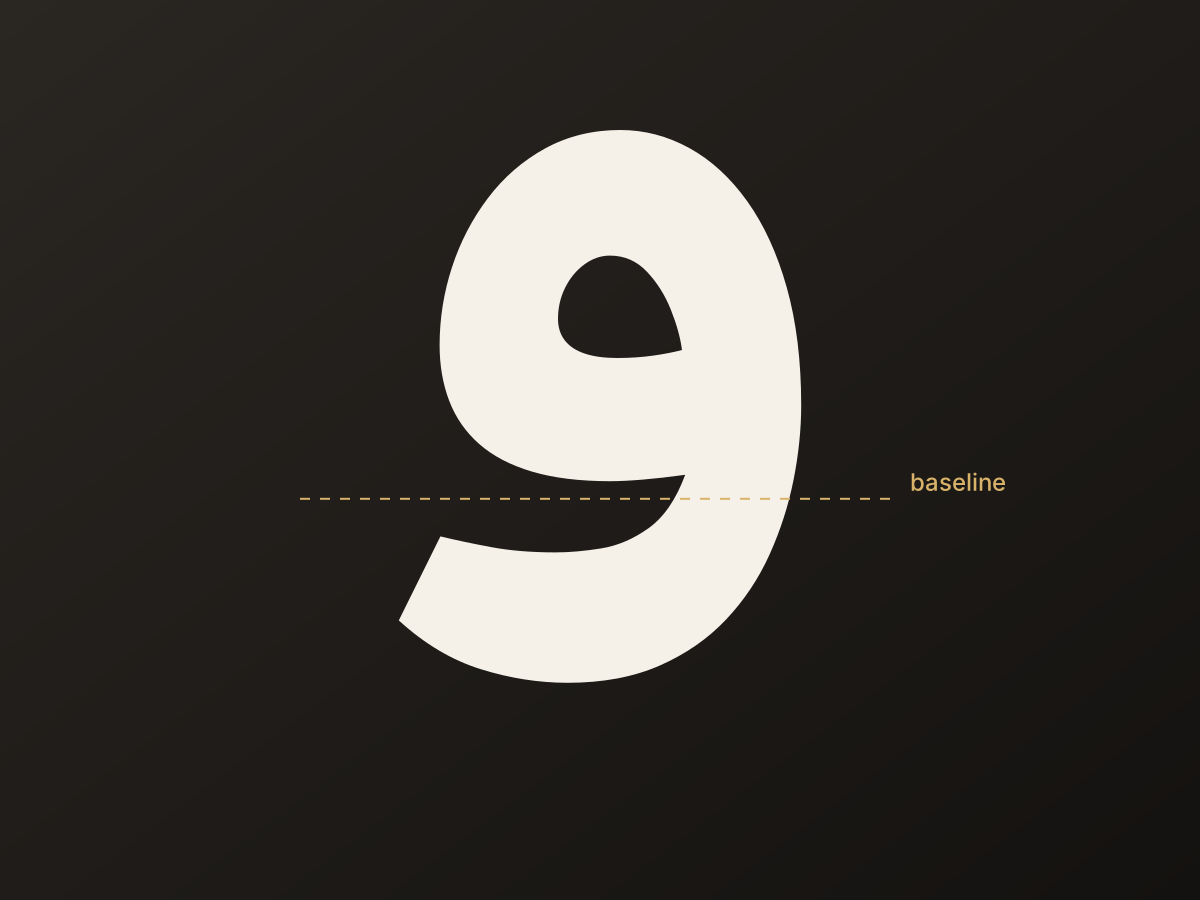
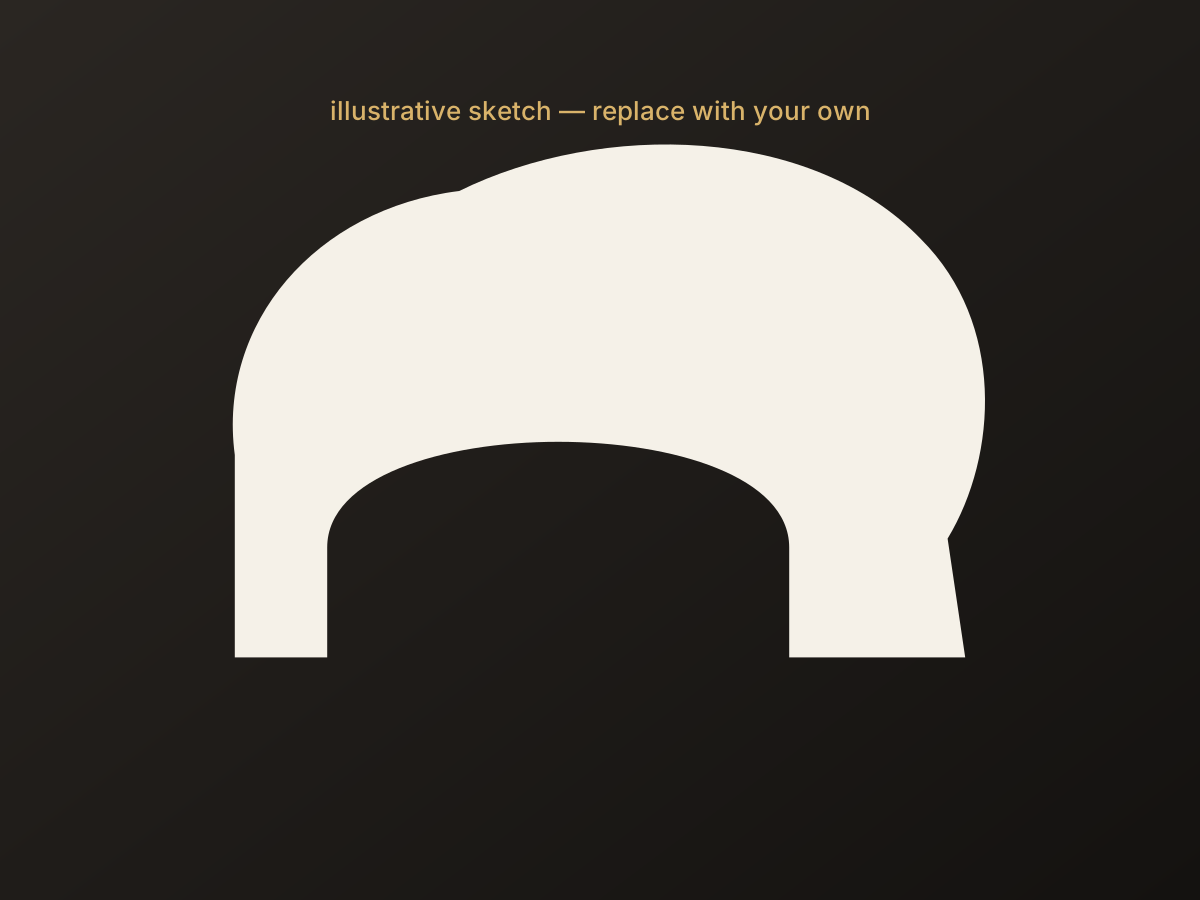
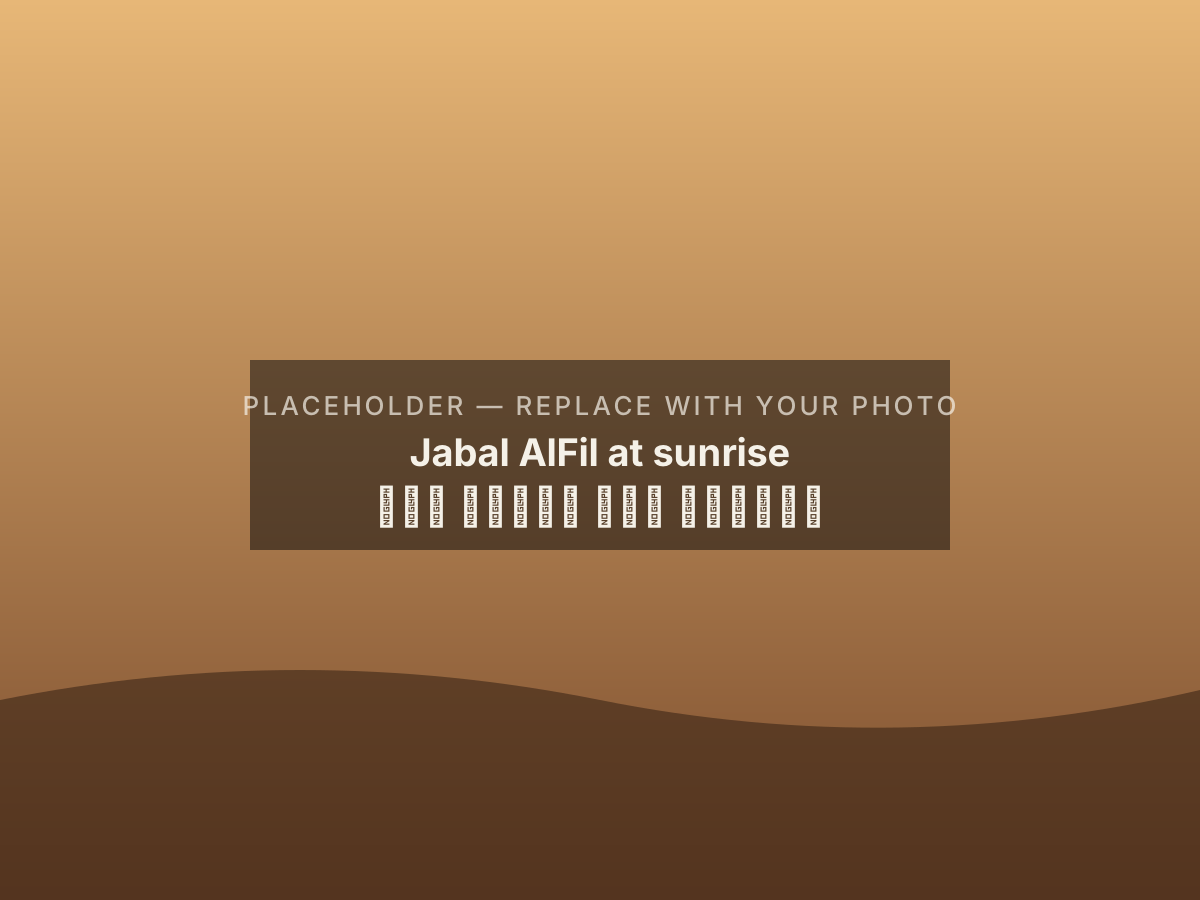
Our mark is an extreme abstraction of two things we love: the letter و (waw), the first letter of وثّق, and Jabal AlFil — the Elephant Rock of AlUla, a sandstone giant that stands alone in the desert with its trunk lowered to the ground.
From the letter
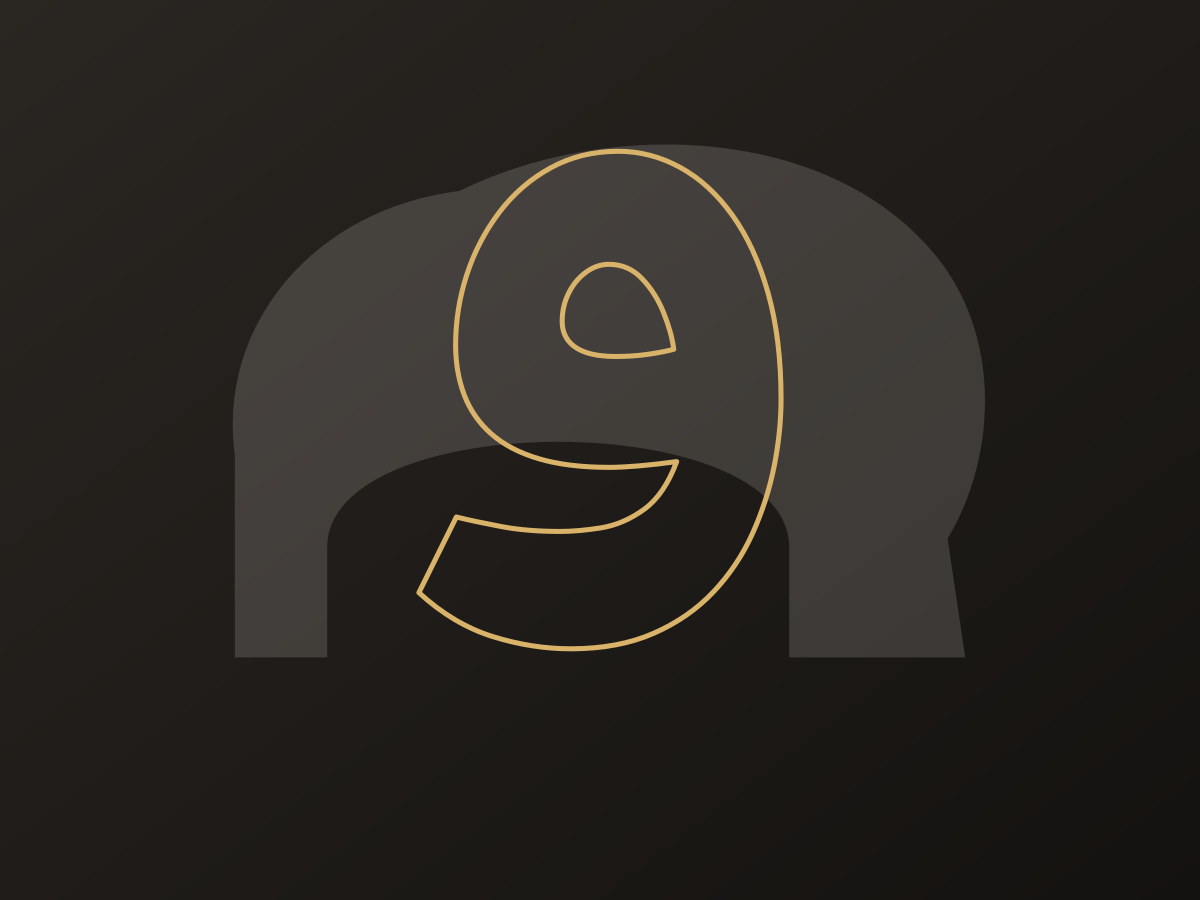
The waw is a round head with a tail that drops below the baseline. Look at it long enough and the tail starts to look like a trunk.
From the rock
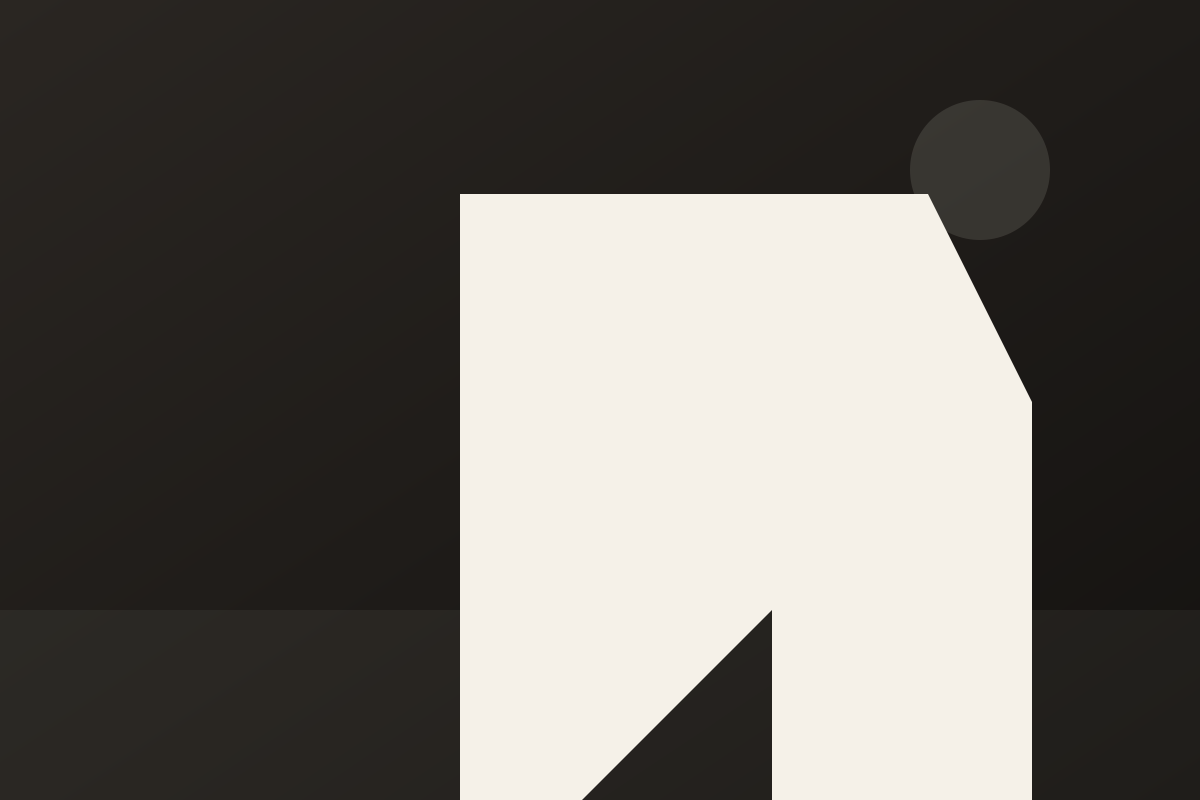
Jabal AlFil is a heavy body, a bowed head and a gap of light between trunk and ground. We kept only what you can feel from far away: the solid block, the slanted corner where its back slopes away, and the gap beneath it.
How it was constructed
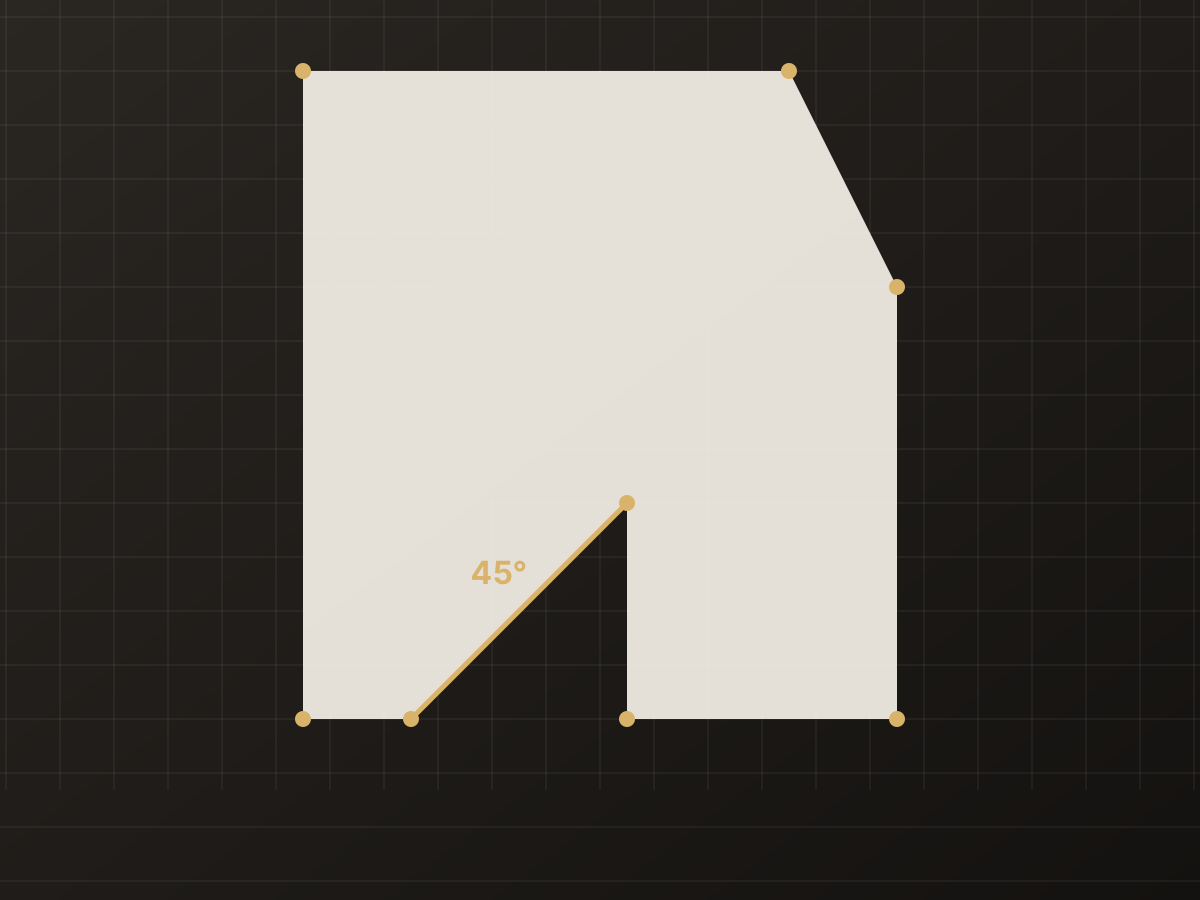
We drew the mark in four steps: the letter, the rock, the two laid over each other, and finally everything reduced to straight lines. Every point sits on a 10-unit grid, the mark is 220 units wide and 240 high, and the only diagonal that matters is a single 45° cut — the gap between trunk and body.
What inspired us
Before the grid there were notebooks, photographs of the rock at different hours, and pages of Arabic calligraphy. These are some of the pictures we kept pinned above the desk.
An abstract mark does not explain itself, and we like that. Some people see a letter, some see a mountain, some see a camera on a tripod. All of them are right.
Behind the scenes — pictures on consecutive lines become a gallery: